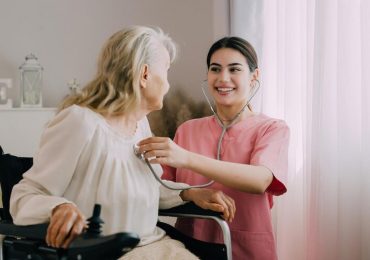
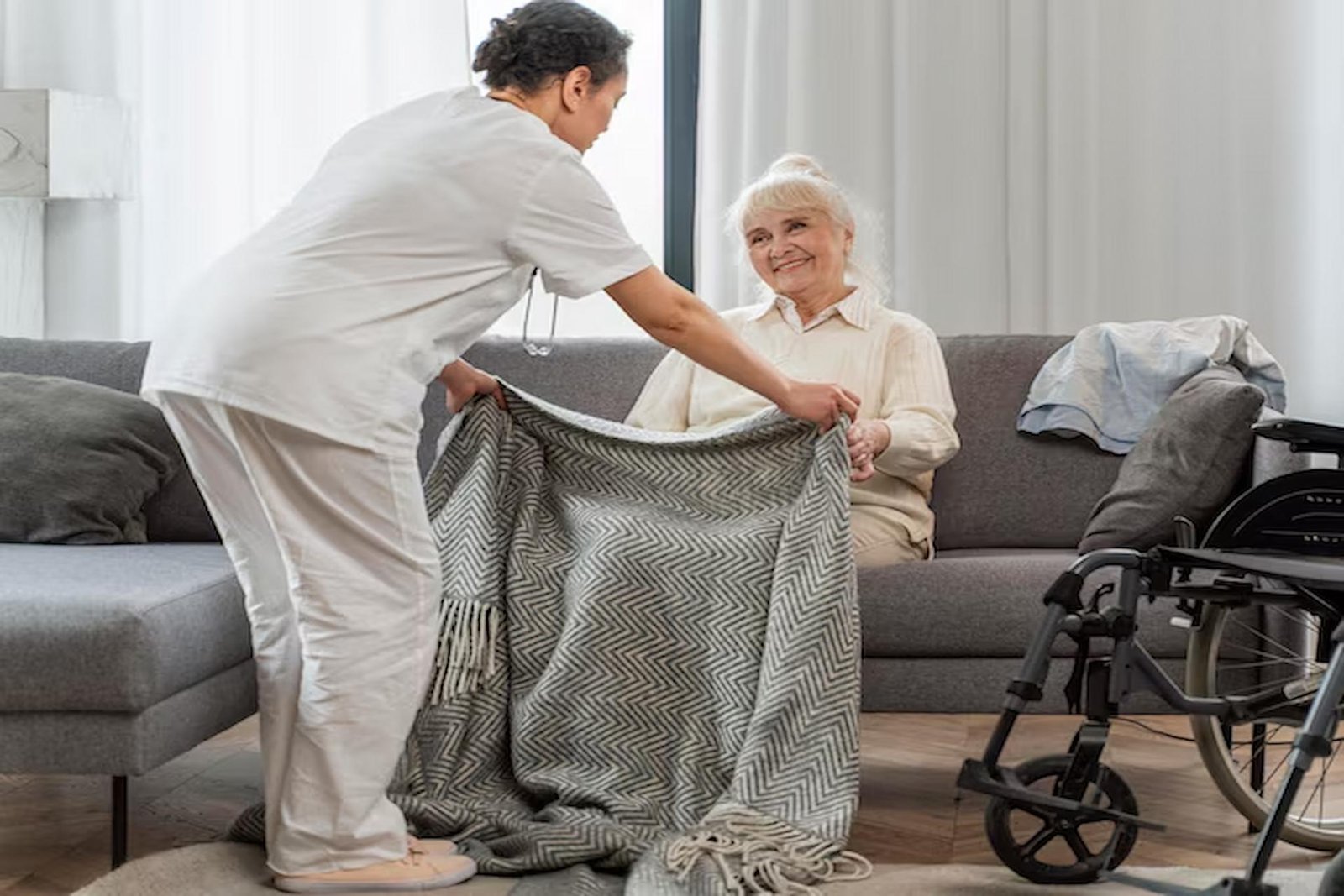
For individuals living with complex medical conditions, daily life often requires careful planning, consistent support, and a stable environment. While hospitals and care facilities play an important role, many people prefer to remain in their own homes where they feel most comfortable. Home-based care has evolved significantly, offering tailored solutions that meet both medical and personal needs without compromising independence or dignity.
One of the most effective approaches in this space is Live In care, which provides continuous, one-to-one support within the individual’s home. This model ensures that care is not only consistent but also deeply personalised, allowing carers to adapt to changing health requirements while maintaining a familiar routine. For people managing chronic illnesses, neurological conditions, or recovery after major procedures, this continuity can make a meaningful difference.
Personalised Support for Complex Conditions
Complex medical needs often involve more than just physical care. They can include medication management, mobility assistance, dietary monitoring, and emotional support. In a home setting, care plans can be tailored with precision, reflecting the individual’s lifestyle, preferences, and clinical requirements.
Unlike institutional care, where routines are shared among multiple residents, home-based care allows for flexibility. Carers can focus entirely on one person, ensuring that every aspect of care aligns with their specific condition. This level of attention helps reduce risks, improve comfort, and support better overall outcomes.
Consistency and Continuity of Care
Consistency is essential when managing complex health conditions. Frequent changes in caregivers can lead to confusion, missed details, and a lack of trust. With Live In care, individuals benefit from a dedicated carer or a small, consistent team who become familiar with their needs over time.
This continuity allows carers to:
- Recognise subtle changes in health or behaviour
- Respond quickly to emerging concerns
- Build strong, trusting relationships
- Maintain accurate and detailed care routines
Over time, this familiarity creates a stable and reassuring environment, which is particularly important for individuals with cognitive conditions such as dementia or those recovering from serious illness.
Supporting Medical Needs at Home
Providing medical care at home requires a structured and well-coordinated approach. Live-in carers are often trained to support a wide range of clinical tasks under professional guidance, ensuring that individuals receive safe and effective care without leaving their home environment.
Key areas of support may include:
- Administering and managing prescribed medications
- Assisting with mobility and physical rehabilitation
- Monitoring vital signs and overall health
- Supporting with feeding, hydration, and specialised diets
- Coordinating with healthcare professionals and family members
This integrated approach ensures that medical care is seamlessly combined with daily living support, reducing the need for frequent hospital visits and allowing individuals to focus on recovery and well-being.
Promoting Independence and Quality of Life
A major advantage of home-based care is its ability to preserve independence. Even when individuals require significant support, remaining in a familiar environment allows them to maintain control over their daily routines and personal choices.
Simple aspects of daily life such as choosing meals, setting a schedule, or spending time in a preferred space can have a positive impact on emotional well-being. Carers play a crucial role in enabling these choices while ensuring safety and comfort.
In addition, being at home often means staying connected to family, friends, and the local community. This social connection is vital for mental health and can contribute to a more positive outlook, especially for those managing long-term conditions.
Emotional and Psychological Support
Living with complex medical needs can be emotionally challenging. Feelings of isolation, anxiety, or frustration are not uncommon, particularly when individuals experience a loss of independence. A live-in carer provides not only practical assistance but also companionship and emotional reassurance.
Having someone present who understands the individual’s preferences and routines can reduce stress and create a sense of security. Conversations, shared activities, and consistent interaction help build a supportive environment where individuals feel valued and understood.
This emotional support is often just as important as physical care, contributing to a more balanced and holistic approach to well-being.
Reducing Hospital Admissions and Disruptions
Frequent hospital visits can be physically exhausting and emotionally draining, particularly for individuals with complex conditions. Home-based care helps reduce the need for unnecessary admissions by providing proactive, continuous support.
By monitoring health closely and addressing issues early, carers can help prevent complications from escalating. This not only improves quality of life but also supports more efficient use of healthcare resources.
In cases where medical intervention is required, having a knowledgeable carer on hand ensures that transitions between home and healthcare settings are managed smoothly and with minimal disruption.
Flexibility for Changing Needs
Health conditions can evolve over time, and care requirements may change accordingly. One of the strengths of live-in care is its flexibility. Care plans can be adjusted as needed, whether that involves increasing support, introducing new routines, or adapting to different medical treatments.
This adaptability ensures that care remains relevant and effective, without the need for major changes in living arrangements. For families, this provides reassurance that their loved one’s needs will continue to be met, even as circumstances shift.
Supporting Families and Caregivers
Family members often play a significant role in supporting loved ones with complex medical needs. However, balancing caregiving with other responsibilities can be demanding. Live-in care offers essential support, allowing families to step back from constant caregiving duties while remaining involved in meaningful ways.
This arrangement helps reduce stress, prevent burnout, and improve overall family dynamics. Knowing that a trained professional is providing consistent care allows family members to focus on quality time rather than daily caregiving tasks.
Conclusion
Live-in care represents a compassionate and practical solution for individuals with complex medical needs who wish to remain at home. By combining personalised support, medical assistance, and emotional care, it creates an environment where individuals can feel safe, respected, and in control of their lives.
As healthcare continues to evolve, home-based care models are becoming increasingly important. They offer a balanced approach that prioritises both clinical outcomes and quality of life, ensuring that individuals receive the support they need without sacrificing the comfort and familiarity of home.