Plumbing problems rarely appear overnight. In most homes, serious issues such as burst pipes, water damage, blocked drains, and hidden leaks begin with small warning signs that are easy to ignore. A dripping tap, unusual pipe noises, slow drainage, or damp patches on walls may not seem urgent at first, but these early plumbing issues can quickly develop into expensive repairs if left untreated. Understanding how to identify common plumbing warning signs is essential for protecting your home, reducing maintenance costs, and avoiding emergency breakdowns.
Regular plumbing maintenance plays a major role in keeping your water system running efficiently and preventing long-term structural damage. Homeowners who recognise problems early are more likely to avoid Mold growth, pipe corrosion, water pressure issues, and rising utility bills. In many cases, contacting a trusted plumbing repair service at the first sign of trouble can help prevent costly repairs and extend the lifespan of your plumbing system. By learning what to look for, homeowners can take proactive steps to maintain a safe, efficient, and damage-free property.
Unusual Water Pressure Changes
One of the first signs of plumbing trouble is inconsistent water pressure. If water suddenly flows more weakly from taps or showers, there may be a hidden issue somewhere in the system. Low pressure can result from pipe corrosion, mineral build-up, leaks, or even hidden blockages.
On the other hand, excessively high pressure is not necessarily a good thing either. High pressure can place strain on pipes, fittings, and appliances over time, increasing the risk of leaks or pipe failure.
If pressure changes affect multiple fixtures in the house, it is worth investigating the problem sooner rather than later.
Slow or Frequently Blocked Drains
A sink or shower that drains slowly is often dismissed as a minor annoyance. However, recurring drainage issues usually point to a deeper blockage forming within the pipes. Hair, grease, soap residue, food waste, and other debris can gradually restrict water flow.
Ignoring the issue may eventually lead to complete blockages or overflowing drains. In some cases, tree roots invading underground pipes can also cause repeated drainage problems.
Watch for signs such as:
- Gurgling sounds from drains
- Water pooling around sinks or showers
- Unpleasant odours coming from plugholes
- Frequent need for drain cleaners
- Toilets struggling to flush properly
Persistent drainage issues should never be ignored, especially if they affect several areas of the home at once.
Unexpected Increases in Water Bills
A sudden rise in water bills without any obvious explanation often signals a hidden plumbing leak. Even a small leak can waste a surprising amount of water over time.
Hidden leaks commonly occur behind walls, beneath flooring, or underground where they are difficult to detect immediately. Signs may include damp patches, Mold growth, peeling paint, or unexplained wet areas around the property.
Checking your water meter can help confirm suspicions. If the meter continues moving while no water is being used inside the house, there may be a leak somewhere in the system.
Early leak detection can save both water and money while preventing costly structural damage.
Strange Sounds in Pipes
Healthy plumbing systems generally operate quietly. If you begin hearing banging, rattling, whistling, or vibrating noises from pipes, something may not be functioning correctly.
These sounds can indicate several underlying issues, including:
- Loose pipe fittings
- Water hammer caused by sudden pressure changes
- Air trapped in the pipes
- Worn valves or fixtures
- Sediment build-up inside water heaters
Although unusual noises may seem harmless at first, they often point to pressure imbalances or mechanical wear that could worsen over time.
Damp Smells and Mold Growth
A persistent musty smell is rarely something to ignore. Damp odours often suggest hidden moisture caused by leaking pipes or poor drainage. Even small leaks can create ideal conditions for Mold and mildew to grow inside walls, ceilings, or under flooring.
Mold not only damages property but may also affect indoor air quality and trigger respiratory issues for some people.
Pay attention to:
- Dark patches on walls or ceilings
- Bubbling paint or wallpaper
- Soft or warped flooring
- Condensation appearing in unusual areas
- Persistent damp smells that do not go away
Identifying the source of hidden moisture early can prevent larger restoration costs later.
Discoloured Water
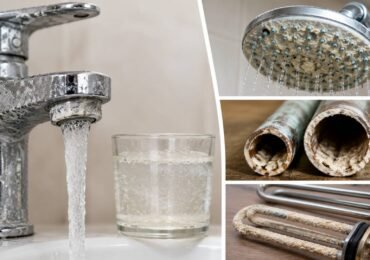
Water coming from taps should generally appear clean and clear. If you notice brown, yellow, or cloudy water, there may be an issue within the plumbing system.
Discoloured water can be caused by rusting pipes, sediment build-up, or problems with the local water supply. In older homes, ageing pipe systems may gradually corrode internally, affecting water quality.
While temporary discolouration can occasionally occur after maintenance work, ongoing changes in water appearance should be checked professionally.
If only hot water appears discoloured, the issue may be linked to the water heater rather than the main plumbing system.
Water Stains and Structural Changes
Subtle structural changes inside the home can also indicate hidden plumbing problems. Water leaking behind walls or ceilings often leaves visible signs over time.
Common warning signs include sagging ceilings, cracked plaster, warped cabinetry, or unexplained stains. Flooring that feels soft underfoot may also indicate long-term water exposure beneath the surface.
These problems tend to worsen gradually, meaning homeowners sometimes become accustomed to them without realising the seriousness of the issue.
Seeking advice from a qualified plumbing repair service early can help identify hidden damage before repairs become significantly more expensive.
Problems With Hot Water
Changes in hot water performance are another common sign of plumbing trouble. If hot water runs out quickly, takes longer to heat up, or fluctuates in temperature unexpectedly, there may be an issue with the water heater or associated plumbing connections.
Sediment accumulation inside water heaters can reduce efficiency and shorten the system’s lifespan. In some cases, ageing components such as heating elements or pressure valves may also require attention.
Ignoring these signs can eventually lead to complete system failure or water heater leaks.
Why Early Action Matters
Many plumbing emergencies begin as small, manageable problems. What starts as a slow leak or minor blockage can eventually cause major water damage, Mold infestations, or burst pipes if left untreated.
Early intervention offers several benefits:
- Lower repair costs
- Reduced risk of property damage
- Improved water efficiency
- Better indoor hygiene and air quality
- Longer lifespan for plumbing fixtures and appliances
Regular inspections and prompt repairs help homeowners avoid stressful and expensive situations later on.
Conclusion
Plumbing systems rarely fail without warning. In most cases, there are early signs that something is wrong, whether it is unusual noises, slow drains, damp smells, or unexpected water bill increases. Paying attention to these subtle changes allows homeowners to address issues before they escalate into major repairs.
Being proactive with plumbing maintenance can protect both your home and your budget in the long run. When warning signs appear, seeking professional help early is often the smartest approach. A properly maintained plumbing system not only functions more efficiently but also provides greater peace of mind for everyday living.