
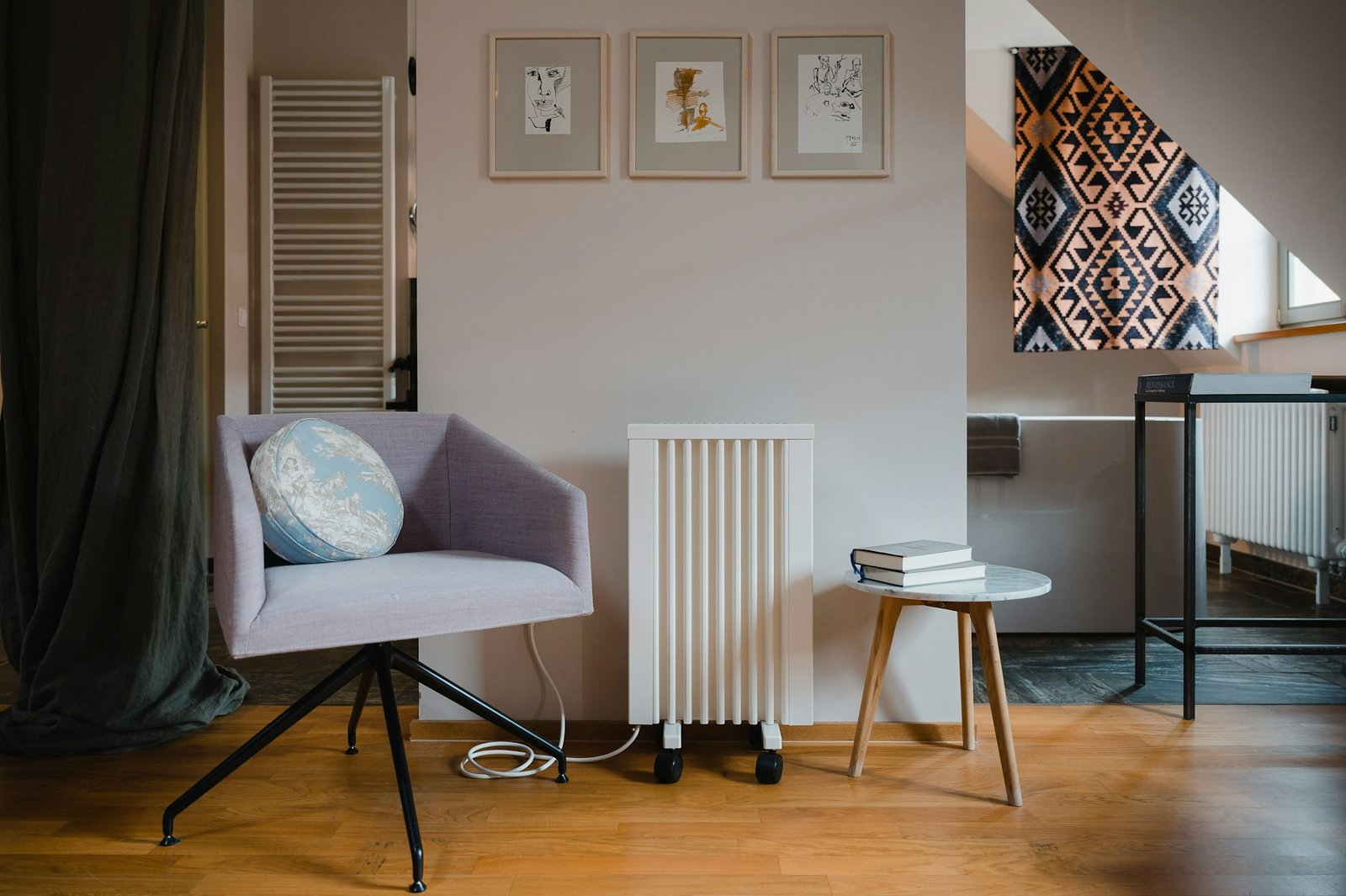
Steel panel radiators remain one of the most popular heating choices because they combine efficiency, durability, and modern design. The way they are manufactured has a direct impact on performance, while several factors influence how much heat they produce. Knowing these details helps homeowners choose a radiator with confidence.
Choosing the right radiator involves more than selecting a style that complements your home. The manufacturing process, build quality, and design all play a significant role in how efficiently a radiator performs. Whether you are upgrading your heating system or replacing older radiators, understanding how steel panel radiators are made can help you make a more informed decision. Manufacturers such as Stelrad have helped demonstrate how carefully engineered steel radiators can deliver reliable warmth, excellent efficiency, and long-lasting performance for a wide range of properties.
How Steel Panel Radiators Are Manufactured
Modern steel panel radiators are manufactured using precision engineering to ensure every unit provides dependable performance while maintaining consistent quality. High-grade steel is carefully formed into panels that allow hot water to circulate efficiently, transferring heat into the room.
The production process involves several carefully controlled stages that help create a durable and efficient heating product.
Preparing the Steel
The process begins with high-quality steel sheets. These sheets are selected for their strength, consistency, and ability to transfer heat effectively. The steel is cut into precise sizes before moving to the next stage of production.
Forming the Panels
Specialised machinery presses the steel into shaped panels that create channels for hot water to flow through. These channels maximise the surface area available for heat transfer while maintaining structural strength.
Welding the Components
The front and rear panels are welded together using highly accurate automated techniques. Strong, consistent welds help prevent leaks and ensure the radiator remains reliable throughout years of use.
Adding Convectors
Many steel panel radiators include convector fins positioned between the panels. These thin metal fins increase the surface area available for heating, allowing the radiator to warm the room more quickly and efficiently.
Finishing and Coating
Once assembled, each radiator is cleaned, treated, and coated with a durable finish that protects against corrosion while providing an attractive appearance suitable for modern interiors.
Why Steel Is the Preferred Material
Steel has become one of the most widely used materials for panel radiators because it offers an excellent balance of strength, efficiency, and affordability.
Unlike heavier materials, steel responds relatively quickly to temperature changes, helping rooms warm up sooner after the heating system is switched on. It also allows manufacturers to produce radiators in a wide variety of sizes and styles to suit different spaces.
Other benefits include:
- Excellent heat conductivity.
- Strong structural durability.
- Modern, slimline designs.
- Compatibility with most central heating systems.
- Easy maintenance and cleaning.
These qualities make steel panel radiators suitable for living rooms, bedrooms, kitchens, hallways, offices, and many other environments.
What Determines Heat Output?
Not every radiator produces the same amount of heat. Several design and installation factors influence overall performance.
A well-designed radiator from manufacturers like Stelrad combines engineering, size, and efficiency to achieve the required heat output for each room.
Radiator Size
Larger radiators generally produce more heat because they have a greater surface area. Choosing the correct dimensions ensures the room receives sufficient warmth without wasting energy.
Number of Panels
Steel panel radiators are available in different configurations, including single-panel and double-panel models. Double-panel designs contain additional heating surfaces, allowing them to produce higher heat output within similar wall space.
Convector Fins
Radiators fitted with convector fins generate more heat than flat panels alone. These fins increase airflow around the radiator, helping warm air circulate throughout the room.
Water Temperature
The temperature of the water supplied by the central heating system directly affects radiator performance. Lower water temperatures generally produce lower heat output, although many modern radiators are designed to perform efficiently with energy-saving heating systems.
Room Insulation
Even the highest-quality radiator cannot perform effectively if heat escapes through poorly insulated walls, roofs, windows, or doors. Good insulation helps retain warmth, allowing the radiator to operate more efficiently.
Choosing the Right Heat Output
Selecting the correct radiator involves matching its heat output to the size and characteristics of the room.
Factors that should be considered include:
- Room dimensions.
- Ceiling height.
- Window size.
- Insulation levels.
- External walls.
- Intended room temperature.
Calculating the required British Thermal Units (BTUs) helps ensure the chosen radiator provides comfortable heating without being oversized or undersized.
Installation Also Influences Performance
Even a high-quality radiator cannot perform at its best if it is installed incorrectly.
Professional installation helps ensure proper water circulation, secure pipe connections, and effective positioning within the room. Radiators are commonly placed beneath windows because this location helps counteract cooler air entering from outside and encourages better heat distribution.
Correct installation also reduces the likelihood of trapped air, uneven heating, or unnecessary energy consumption.
Simple Ways to Improve Radiator Efficiency
Once installed, a few straightforward maintenance habits can help steel panel radiators continue performing efficiently for many years.
Regular care includes:
- Bleeding radiators to remove trapped air.
- Keeping the surface clean and free from dust.
- Avoiding large furniture directly in front of the radiator.
- Checking heating system pressure where appropriate.
- Scheduling periodic servicing of the overall heating system.
These small steps allow heat to circulate more effectively and help maintain consistent performance throughout the heating season.
Why Manufacturing Quality Matters
The quality of manufacturing affects much more than appearance. Precision engineering influences durability, efficiency, reliability, and long-term performance.
Well-manufactured radiators undergo rigorous quality checks to ensure consistent welds, accurate dimensions, durable finishes, and dependable operation. High manufacturing standards also help reduce maintenance requirements while extending the product’s lifespan.
For homeowners, investing in a well-designed steel panel radiator often delivers better comfort, improved energy efficiency, and greater confidence that the heating system will continue performing effectively for years to come.
Conclusion
Steel panel radiators have earned their popularity by combining efficient heat distribution, modern styling, and dependable performance. From the careful selection of high-quality steel to precision welding, protective finishes, and thorough quality testing, every stage of the manufacturing process contributes to how effectively a radiator performs. At the same time, factors such as radiator size, panel configuration, convector fins, water temperature, insulation, and professional installation all influence overall heat output. Manufacturers including Stelrad continue to develop radiators that balance performance with energy efficiency, giving homeowners a wide choice of heating solutions for different spaces. By understanding how steel panel radiators are made and what affects their performance, it becomes much easier to choose a radiator that provides reliable warmth, long-term value, and comfortable indoor living throughout the colder months.