A well-designed home should be comfortable and practical for everyone who uses it. Accessibility improvements can make everyday tasks easier for older adults, people with limited mobility, families with young children, and anyone recovering from an injury. Many of these changes can also make a property safer and easier to use in the long term.
Improving accessibility does not always require a complete renovation. Small changes to entrances, bathrooms, lighting, flooring, and storage can make a noticeable difference. The best approach is to look at how people move through the home and identify areas where unnecessary effort or potential hazards can be reduced.
Create a Safer and Easier Entrance
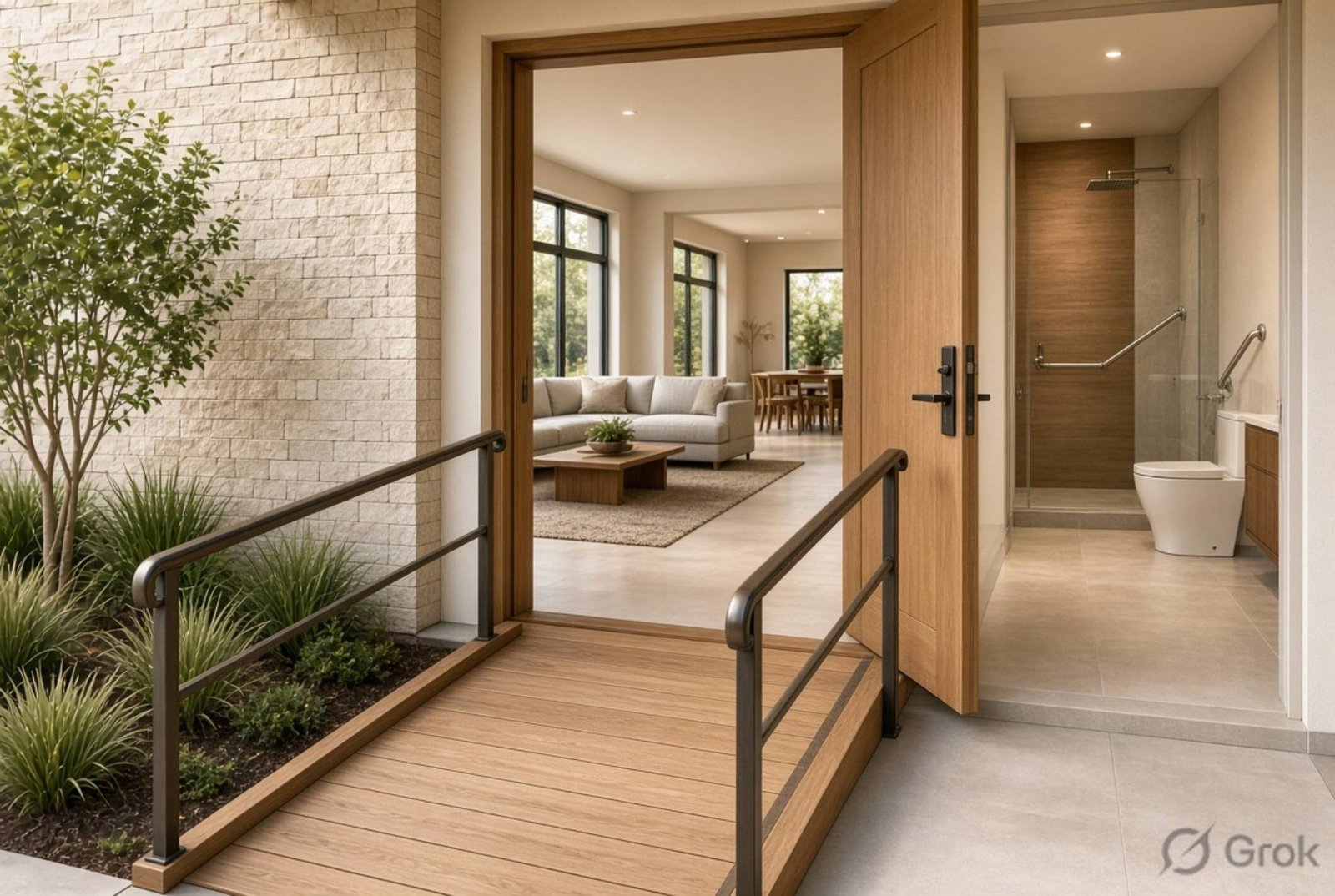
The entrance is one of the first places to consider when improving accessibility. Steps, narrow doorways, uneven paving, and poor lighting can make entering or leaving the property difficult.
A gently sloping ramp may provide easier access where steps are a problem. Handrails can offer extra stability, while a level threshold can reduce the chance of trips.
It is worth considering:
- A wider entrance where space permits
- Secure handrails beside steps and ramps
- Bright exterior lighting
- Non-slip paths and entrance surfaces
- Easy-to-operate door handles
The entrance should feel straightforward to use rather than becoming another obstacle.
Improve Doorways and Movement Between Rooms
Narrow doorways and cramped passages can make moving around the home difficult, especially for wheelchair or mobility aid users.
Where practical, widening doorways can provide more room. Replacing traditional round door knobs with lever-style handles may also make doors easier to open for people with reduced hand strength.
Furniture placement matters as well. Keep main walkways clear and avoid placing tables, decorative objects, cables, or storage boxes in areas people regularly walk through. Creating open routes between frequently used rooms can make the whole property feel more manageable.
Choose Safer Flooring
Flooring affects both comfort and mobility. Loose rugs, raised edges, slippery surfaces, and sudden changes in floor height can all create unnecessary hazards.
Choose firm, stable flooring that provides suitable grip. If rugs are used, they should be secured properly and kept away from busy routes wherever possible.
Transitions between rooms should also be as smooth as practical. Removing unnecessary thresholds can make movement easier for wheelchair users and people who use walking aids.
Adapt the Kitchen for Everyday Use
A kitchen should allow important items to be reached without excessive bending, stretching, or climbing.Frequently used cookware, plates, ingredients, and appliances can be stored between comfortable waist and shoulder height. Pull-out drawers and shelves can make deep cupboards easier to use.
During a larger kitchen renovation, consider adjustable worktops, accessible storage, clear space beneath selected surfaces, or appliances positioned at practical heights.
Improve Lighting Throughout the Home
Good lighting supports accessibility because it makes steps, obstacles, switches, and changes in floor level easier to see.Hallways, staircases, bathrooms, entrances, and kitchens should receive particular attention. Dark corners and poorly lit stairs can be difficult to use, especially for people with reduced vision.
Consider adding motion-activated lights in areas that are frequently used at night. Bedside switches and easily accessible controls can also reduce the need to move through dark rooms before turning on a light.
Make Stairs Easier to Use
Stairs can become challenging when balance or mobility changes. Secure handrails can provide valuable support, particularly when fitted on both sides where the staircase allows.
Good lighting should cover the entire staircase, including the top and bottom landings. Keeping the steps free from loose objects and making each step clearly visible can improve safety.
For people who find stairs increasingly difficult, a stairlift or changes to the home’s layout may provide a longer-term solution. Professional assessment is advisable before making significant structural adaptations.
Consider Accessible Bedrooms
Bedrooms should offer enough space to move comfortably around the bed and reach essential storage.Avoid overcrowding the room with unnecessary furniture. Bedside lighting, easy-to-reach switches, and accessible wardrobes can make daily routines easier.
If a ground-floor room can be converted into a bedroom, it may reduce reliance on stairs. This can be particularly useful when planning a home that needs to remain practical as its occupants grow older.
Use Smart Home Features Where They Add Value
Smart technology can make certain household tasks easier without requiring major building work.Voice-controlled or app-based lighting, heating controls, doorbells, blinds, and selected security features can reduce the need to reach switches or move unnecessarily around the property.
Technology should remain simple to operate. Accessibility improvements are most useful when they reduce effort rather than introduce complicated controls.
Frequently Asked Questions
What is an accessible home?
An accessible home is designed or adapted so people with different mobility, physical, or sensory needs can use it safely and comfortably. Features may include level entrances, wider doorways, accessible bathrooms, clear walkways, and easy-to-use controls.
What are the easiest accessibility improvements to make?
Simple improvements include removing trip hazards, improving lighting, installing lever door handles, reorganising storage, securing rugs, and adding suitable handrails.
Does an accessible bathroom require a complete renovation?
Not always. Improvements such as grab rails, non-slip flooring, better lighting, and accessible storage can make an existing bathroom easier to use. More significant mobility needs may require a walk-in or level-access shower.
Can accessibility improvements help older homeowners?
Yes. Features such as better lighting, safer flooring, handrails, easier entrances, and accessible bathrooms can make it easier for people to remain comfortable and independent at home as their needs change.
Should accessibility changes be professionally assessed?
Professional advice is valuable for significant structural work or when adaptations are being made for a specific disability or mobility need. An assessment can help identify suitable changes and avoid poorly positioned or ineffective features.
Conclusion
Making a property more accessible is about removing everyday barriers and creating a safer, easier living environment. Improvements such as better lighting, clearer walkways, safer bathrooms, practical storage, wider access points, and supportive handrails can have a meaningful impact.
Start with the areas that cause the most difficulty and make changes based on the needs of the people using the home. Thoughtful accessibility improvements can make a property more comfortable today while helping it remain practical for years to come.