
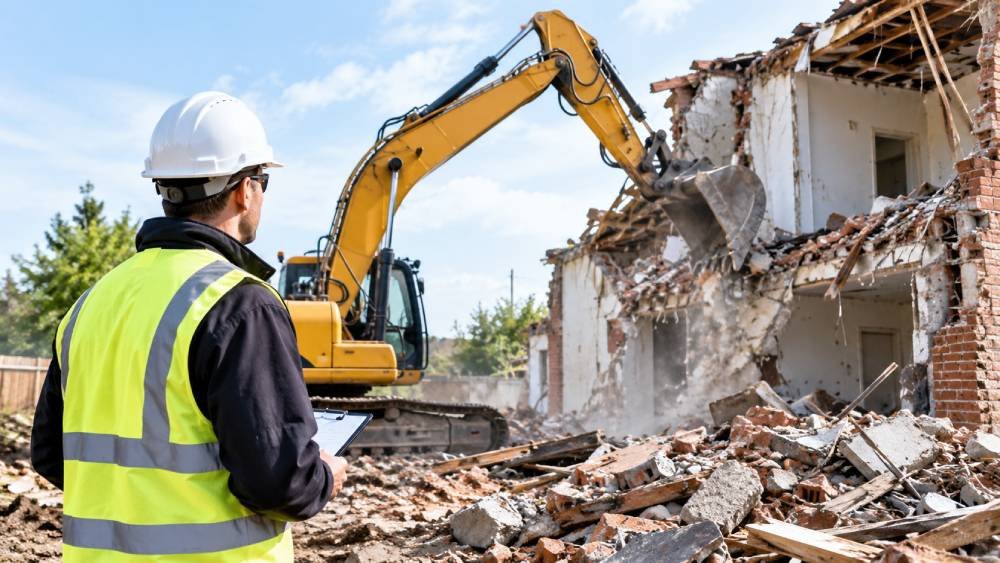
Hiring a demolition contractor is an important decision when preparing a property for renovation, redevelopment or a new construction project. Demolition involves more than removing a structure; it requires careful planning, suitable equipment, safe working practices and responsible waste handling. Choosing an experienced professional can help reduce risks, prevent avoidable delays and prepare the site for the next stage of work.
When comparing demolition Buckinghamshire services, it is worth assessing more than the quoted price. The contractor should understand your project’s requirements, explain the proposed approach and identify potential challenges before work begins. The following seven considerations can help you assess providers and choose one that suits your site, budget and project schedule.
1. Relevant Experience and Project Expertise
Demolition work can range from removing a garden wall or garage to dismantling a large commercial building. Each project presents different challenges involving access, structural stability, neighbouring properties and waste removal. Look for a contractor with experience relevant to your requirements, and ask how it would approach the specific structure you need removed.
Discuss the proposed demolition method and the equipment required. Depending on the building and site conditions, the work may involve mechanical demolition, careful dismantling or a combination of methods. A knowledgeable contractor should explain its approach clearly and identify any preparatory work needed before demolition starts.
2. Insurance and Legal Compliance
Before hiring a contractor, request evidence of appropriate insurance. Public liability insurance can help cover certain claims involving injury or property damage, while employers’ liability insurance may be required where the business employs staff. Check that the policies are current and suitable for the work being undertaken rather than relying solely on verbal assurances.
You should also establish which permissions, notifications and legal requirements apply to your project. These may depend on the type of structure, its location and the nature of the work. Building control requirements, planning restrictions and asbestos-related obligations may need consideration. Clarify who is responsible for handling the relevant arrangements before agreeing to a start date.
3. Health and Safety Procedures
Demolition sites can present hazards such as falling materials, dust, noise, vibration and unstable structures. Ask the contractor how it will identify and control these risks, protect workers and prevent unauthorised access. Its plans should take account of nearby buildings, public areas, underground services and other site-specific conditions.
When assessing demolition Buckinghamshire contractors, ask whether suitable risk assessments and method statements will be prepared for the work. Find out how dust and noise will be managed, how the site will be secured and what procedures will apply if unexpected hazards arise. Clear answers demonstrate that safety has been considered as part of the project planning.
4. Waste Removal and Environmental Responsibility
Demolition can produce a mixture of concrete, bricks, timber, metal, plasterboard and other materials. Ask how the contractor will sort, transport and dispose of these materials. Where practical, suitable materials may be separated for reuse or recycling, reducing the volume sent for disposal. Hazardous materials must be identified and managed through appropriate procedures.
Confirm whether waste removal is included in the quotation and whether the contractor will provide relevant documentation. Depending on the waste type and arrangements, this may include waste transfer notes or records relating to hazardous materials. Understanding the disposal process helps you avoid uncertainty about what happens to the waste once it leaves the site.
5. Transparent Quotations and Overall Costs
A detailed quotation should explain the work included, the equipment and labour required, waste removal arrangements and any site clearance responsibilities. It should also identify exclusions and possible additional charges. For example, specialist asbestos work or unexpected ground conditions may affect the overall cost and programme.
Request written quotations from more than one suitable contractor and compare the same scope of work wherever possible. Consider these points when reviewing each proposal:
- Demolition method and the structures included.
- Site preparation and protective measures.
- Labour, machinery and transport costs.
- Waste handling and disposal arrangements.
- Expected timescale and potential additional charges.
The lowest price may not provide the best value if important tasks are excluded. Ask for clarification before signing a contract.
6. Equipment, Access and Site Preparation
The contractor must have access to equipment appropriate for the structure and site conditions. Restricted entrances, nearby buildings, overhead obstacles and limited working space can influence the demolition method. Ask how machinery will reach the site and whether temporary access arrangements or protective measures will be necessary.
Site preparation may also involve identifying underground utilities, disconnecting services and checking structural conditions. Confirm which tasks the contractor will manage and which must be completed by you or another professional. Agreeing these responsibilities in advance helps prevent delays caused by missing preparations or unclear arrangements.
7. Communication, References and Scheduling
Reliable communication makes it easier to manage expectations throughout the project. Ask who will oversee the work, how progress will be reported and whom you should contact if a problem arises. A contractor should be able to explain the expected sequence of work, likely duration and factors that could affect the schedule without promising unrealistic deadlines.
Where possible, review genuine customer feedback and request references for comparable projects. Check whether the contractor communicates clearly, honours agreed arrangements and explains any changes to the scope of work. Before work begins, ensure the quotation and contract set out the agreed responsibilities, payment terms, schedule and site clearance arrangements.
Conclusion
Choosing a demolition contractor requires careful consideration of experience, insurance, safety procedures, waste management, costs, equipment and communication. Each factor helps establish whether a provider can manage the practical demands of your project while addressing relevant legal and environmental responsibilities. Comparing contractors on these points gives you a clearer basis for making an informed decision.
Before appointing a company, review its credentials, ask specific questions and obtain a written quotation that explains the work in detail. Make sure permissions, site preparation and waste disposal responsibilities are understood before demolition begins. Taking these steps can help your project start on a sound footing and prepare the site for its next use.