Hard water is a common issue in many homes, yet its impact often goes unnoticed until plumbing problems begin to appear. While hard water isn’t considered unsafe to drink, the minerals it contains can gradually damage pipes, appliances, and plumbing fixtures. Over time, these hidden effects can lead to higher utility bills, reduced water pressure, and expensive repairs.
If you’ve noticed white residue around your faucets, frequent plumbing issues, or appliances that don’t seem to last as long as they should, hard water could be the reason. Homeowners looking for a reliable plumbing service in Like Oak, FL can also benefit from understanding how hard water affects their plumbing system and what steps can help prevent long-term damage.
What Is Hard Water?
Hard water contains high levels of naturally occurring minerals, primarily calcium and magnesium. As groundwater travels through limestone and other mineral-rich rock, it absorbs these minerals before reaching homes.
Although these minerals aren’t harmful to your health, they leave behind deposits known as limescale. As the buildup increases, it can affect nearly every part of your home’s plumbing system.
Signs Your Home Has Hard Water
Many homeowners live with hard water for years without realizing it. Fortunately, there are several common warning signs.
You may notice:
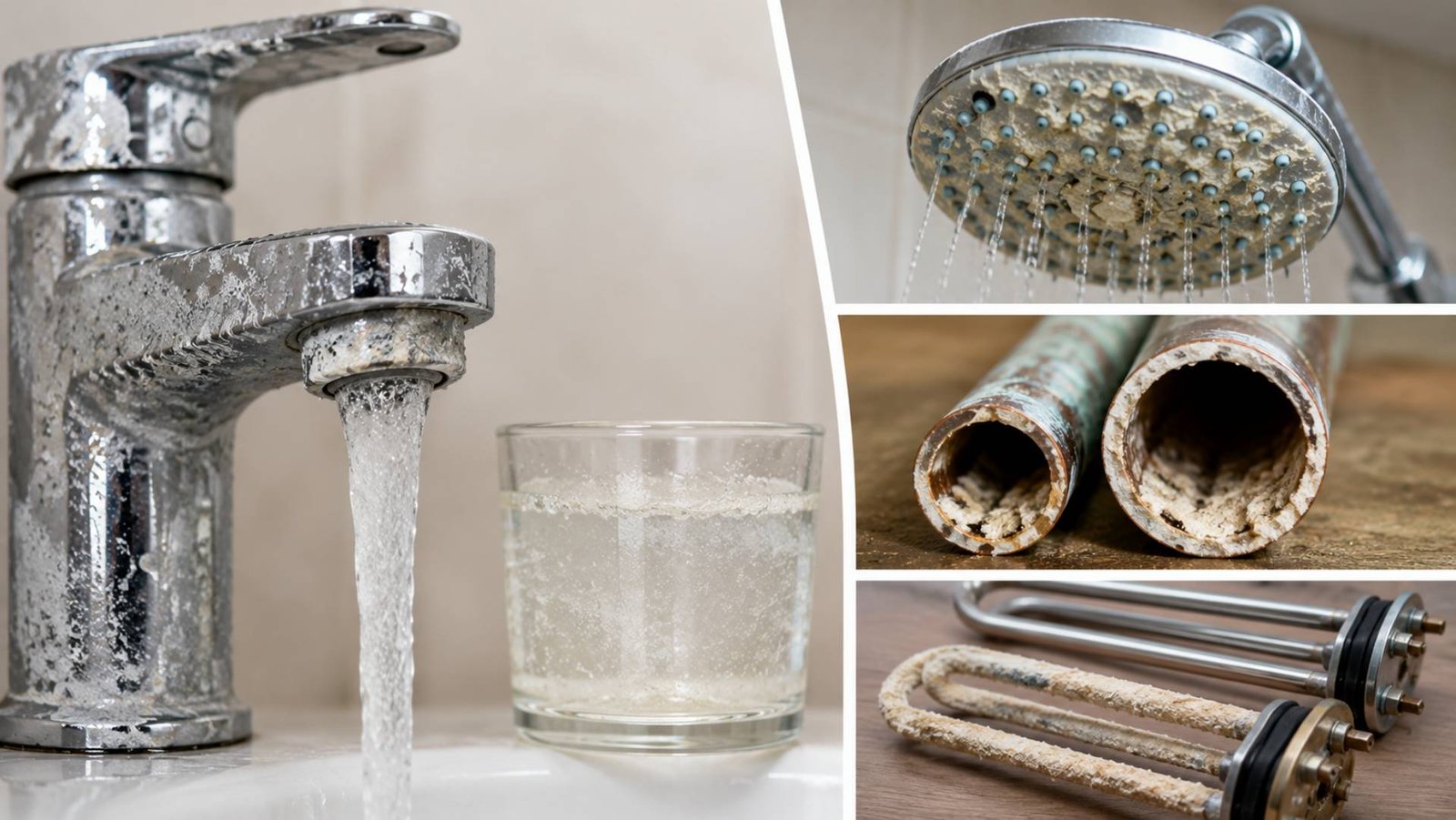
- White, chalky deposits around faucets and showerheads
- Water spots on dishes and glassware after washing
- Soap that doesn’t lather well
- Dry skin and dull hair after bathing
- Reduced water pressure
- Appliances taking longer to heat water
- Plumbing fixtures that require frequent maintenance
If several of these issues sound familiar, hard water is likely contributing to the problem.
How Hard Water Damages Plumbing
The biggest concern with hard water is the gradual accumulation of mineral deposits inside plumbing components. Unlike sudden leaks or pipe bursts, this damage develops slowly, making it easy to overlook.
Scale Buildup Inside Pipes
Every time hard water flows through your plumbing, a small amount of minerals remains behind. Over months and years, these deposits thicken and narrow the inside of pipes.
As the passage becomes smaller, water flow decreases, causing lower water pressure throughout the home. In severe cases, pipes can become partially or completely blocked, requiring professional cleaning or replacement.
Older homes are particularly vulnerable because their plumbing has had more time to accumulate mineral deposits.
Reduced Efficiency of Water Heaters
Water heaters are among the hardest-hit appliances in homes with hard water.
Minerals settle at the bottom of the tank, forming a layer of sediment that separates the heating element from the water. As a result, the heater must work longer and use more energy to reach the desired temperature.
This extra strain increases energy costs and shortens the lifespan of the unit. In tankless water heaters, mineral buildup can clog internal components, reducing efficiency and increasing maintenance needs.
Damage to Faucets and Fixtures
Mineral deposits also collect around faucets, showerheads, and valves. Small openings gradually become blocked, reducing water flow and causing uneven spray patterns.
Fixtures with moving parts may become stiff or difficult to operate as scale accumulates inside them. Left untreated, the buildup can eventually lead to leaks or complete fixture failure.
Appliance Wear and Tear
Many household appliances rely on clean water to operate efficiently. Dishwashers, washing machines, coffee makers, and ice makers are especially vulnerable to hard water.
Mineral deposits reduce efficiency, increase energy consumption, and force appliances to work harder during every cycle. Over time, this can significantly reduce their lifespan and increase repair costs.
Why Hard Water Increases Plumbing Costs
Hard water doesn’t usually cause one major plumbing failure overnight. Instead, it creates a series of smaller issues that gradually become more expensive.
Mineral buildup can cause:
- Higher monthly energy bills
- More frequent plumbing repairs
- Premature appliance replacement
- Lower water pressure throughout the home
- Increased maintenance requirements
Addressing hard water early often costs much less than repairing the damage it causes over several years.
Ways to Protect Your Plumbing
The good news is that homeowners have several effective options for reducing the effects of hard water.
Install a Water Softener
A water softener is one of the most effective long-term solutions. These systems remove calcium and magnesium before water enters your home’s plumbing.
By reducing mineral content, water softeners help prevent scale buildup, improve appliance performance, and extend the life of your plumbing system.
Flush Your Water Heater
Regular water heater maintenance helps remove accumulated sediment before it becomes a serious problem.
Many manufacturers recommend flushing the tank annually, although homes with especially hard water may benefit from more frequent maintenance.
Keeping the tank clean improves efficiency and reduces unnecessary wear on heating components.
Clean Fixtures Regularly
Mineral deposits around faucets and showerheads can often be removed using household descaling solutions or white vinegar.
Routine cleaning helps maintain water flow and prevents stubborn buildup from becoming permanent.
Schedule Routine Plumbing Inspections
Professional inspections can identify early signs of hard water damage before they develop into larger repairs.
A licensed plumber can check for restricted pipes, hidden leaks, sediment buildup, and other issues that may not be visible during everyday use.
Can Hard Water Be Completely Eliminated?
While naturally hard water cannot be changed at its source, its effects inside your home can be greatly reduced.
Modern water treatment systems, regular maintenance, and timely plumbing repairs work together to minimize mineral buildup and keep plumbing operating efficiently. Even simple preventive measures can significantly extend the lifespan of pipes, fixtures, and appliances.
Final Thoughts
Hard water is more than a minor inconvenience. Over time, the minerals it contains can reduce water pressure, increase energy costs, shorten the lifespan of appliances, and damage your home’s plumbing system. Because the damage develops gradually, many homeowners don’t recognize the problem until repairs become costly.
Understanding the warning signs and taking preventive action can help protect your investment and keep your plumbing running efficiently for years to come. Whether that means installing a water softener, maintaining your water heater, or scheduling regular plumbing inspections, addressing hard water early is one of the smartest ways to avoid expensive plumbing issues in the future.